Implementing AI lead generation chatbots means automating the collection and qualification of sales leads through intelligent, fast, and personalized conversational interactions. AI lead generation chatbots can answer customer questions, qualify interests, and transfer hot leads to the sales team, increasing efficiency and conversion rates.
Estimated reading time: 6 minutes
Table of contents
What are AI Lead Generation Chatbots
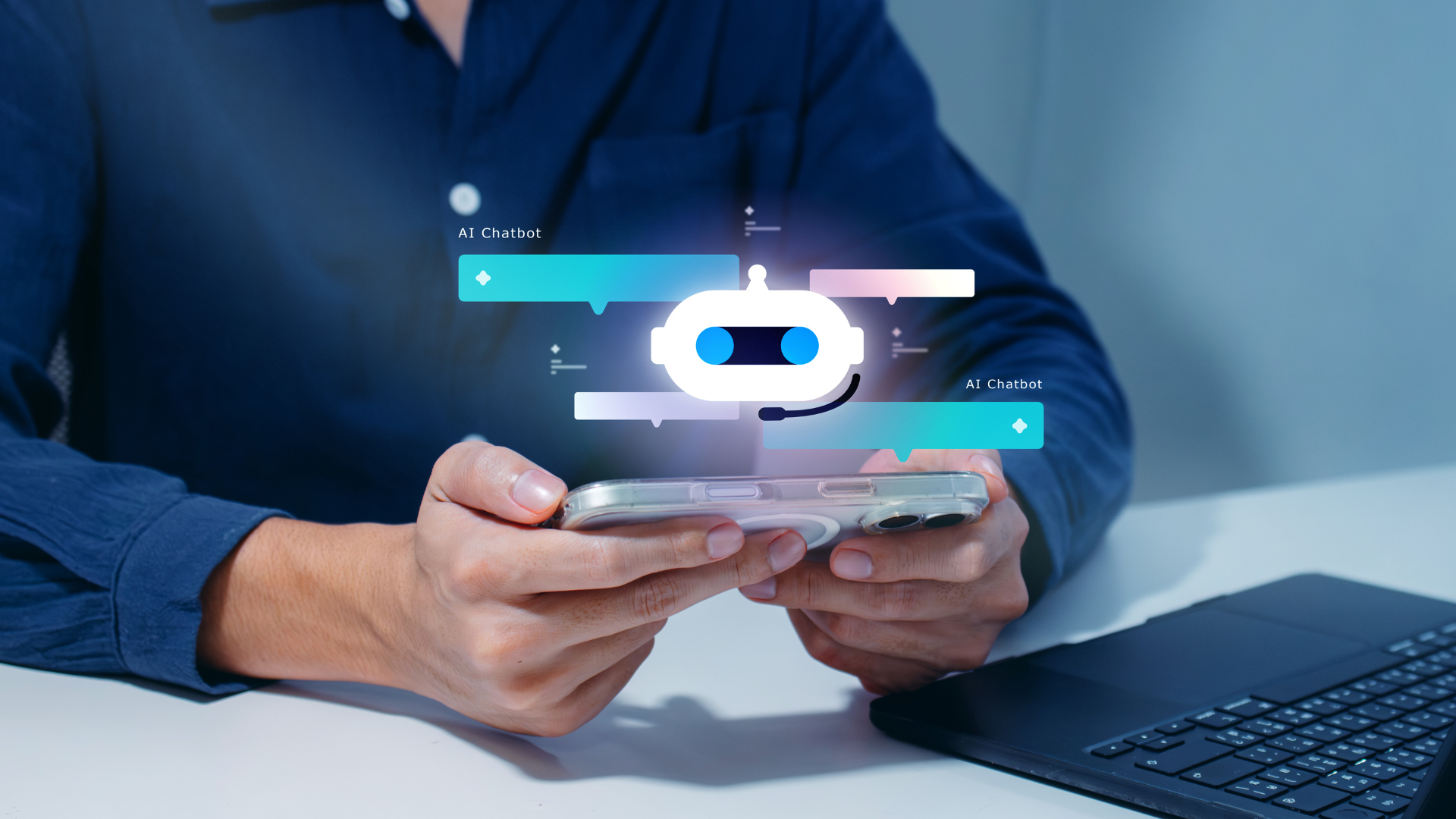
AI Lead generation Chatbots are artificial intelligence-based softwares designed to interact with online users and convert them into potential customers.
- Definition: they are virtual assistants that guide the user through automated conversations, gathering useful information, and qualifying leads.
- Context: they arise from the need to integrate AI technology into marketing and sales processes, particularly in digital channels such as websites, social media, and messaging apps.
- Objective: they increase the number of qualified contacts (leads), reduce manual work for the sales team, and provide personalized experiences to potential customers.
Using AI Lead Generation Chatbots means automating the collection and qualification of sales contacts through intelligent, fast, and personalized conversational interactions. An AI lead generation chatbot can answer questionsmande dei clienti, qualificare interessi e trasferire contatti caldi al team commerciale, aumentando l’efficienza e il tasso di conversione.
AI Lead Generation Chatbots in summary
| What are AI Lead Generation Chatbots? | AI software for automated interactions aimed at collecting leads |
| What are they for? | Generate and qualify leads, increase conversions and automation |
| Who uses them | Marketing manager, sales manager, customer care manager |
| Benefits | Instant response, data collection, qualified leads, multi-channel integration |
How do they work
Imagine visiting a company’s website and immediately finding someone ready to answer your questions, recommend products, and understand what you really need. Here’s how AI lead generation chatbots guide the user from the first contact to lead qualification:
- Start the conversation
The user interacts via chat on the website, app, or social media.
- Collect information
The chatbot asks for essential data such as name, email, industry, and interests.
- Lead Qualification
Analyze responses to distinguish cold leads from hot leads.
- Forwarding to the sales team
Qualified leads are transferred to the CRM or sales team.
Tecnologies

AI lead generation chatbots rely on key components and advanced technologies that work together to generate effective interactions and qualify leads.
At their core is a conversational engine based on generative AI, supported by scoring and qualification algorithms that analyze user responses and produce natural, personalized responses.
The user interface, accessible via chat on a website, app, or social media, makes interaction simple and immediate, while the data collection system integrates with CRMs like Salesforce, HubSpot, or Zoho, centralizing valuable information for the sales team.
Natural language understanding is ensured by NLP (Natural Language Processing), while Machine Learning continuously optimizes lead qualification based on past conversations. Finally, the chatbot supports multiple media channels, including WhatsApp Business, Messenger, Live Chat, and mobile apps, ensuring constant, intelligent, and personalized contact with potential customers.
AI Lead Generation Chatbots Use Cases
Lead Generation AI Solutions are already being adopted by Italian companies to improve conversions and customer experience.
These cases demonstrate how a lead generation chatbot can transform simple digital interactions into concrete sales opportunities.
Data and Insights
Results speak clearly: AI lead generation chatbots aren’t just automation tools, but true allies for improving conversions, efficiency, and customer experience. Here are some recent data showing the tangible impact of these technologies on business:
- According to Deloitte, 67% of companies using chatbots see a significant increase in qualified leads.
- McKinsey & Company estimates that automating lead generation processes can reduce costs by 20–30% and increase conversion rates by up to 50%.
- Forrester Research reports reductions in response times of up to 80% thanks to chatbots.
Why use AI lead generation Chatbots and what mistakes to avoid
Using AI for lead generation means offering customers immediate answers 24/7 and generating qualified leads without manual intervention, increasing conversion rates and return on investment. Thanks to data-driven personalization, the chatbot adapts interactions to each user, integrating with CRM and marketing automation systems to gather valuable information and fuel targeted campaigns. However, it’s crucial to avoid common mistakes:
- Not defining the lead qualification path
- Speaking only in business terms, ignoring the user’s language
- Not integrating the chatbot with CRM or marketing automation systems
- Not analyzing data to optimize performance
- Using responses that are too generic or invasive
GDPR and privacy: what does it mean for AI lead generation chatbots
When chatbots collect personal data—such as name, email, or preferences—it immediately falls under the General Data Protection Regulation (GDPR), which applies to any processing of data from individuals residing in the European Union.
In practice, you must ensure transparency, legitimacy, and respect for user rights throughout the data collection and management process.
To comply with the GDPR, it is essential to:
- Obtain the user’s explicit consent before collecting or using their data for marketing or profiling purposes. Consent must be informed, specific, and documented.
- Be transparent about what is collected and why: the chatbot must provide or link to a clear and accessible privacy policy, with information on the data controller, purpose, retention period, and data subject rights.
- Allow users to exercise their rights (access, rectification, erasure, objection). The system must facilitate the ability to withdraw consent or request data deletion.
- Avoid unnecessary collection of personal data and process it securely, using techniques such as anonymization or pseudonymization when possible, to reduce risks and privacy impacts.
In other words, a chatbot can be a powerful lead generation tool, but only if it is designed and configured with privacy and data protection regulations in mind. protezione dei dati personali. Non rispettare questi obblighi può comportare sanzioni e compromettere la fiducia degli utenti.
Conclusions
AI lead generation chatbots automate contact collection and qualification, improve the user experience, and increase sales efficiency. Data processing must be secure, transparent, and GDPR compliant, ensuring informed consent and data protection, to transform digital interactions into trustworthy and privacy-friendly opportunities.
FAQ – AI Lead Generation Chatbots
The cost of implementing a lead generation chatbot varies based on its complexity, supported channels, and required integrations. Typically, it ranges from SaaS solutions with monthly plans (from hundreds to a few thousand euros) to enterprise projects with custom development and advanced CRM integrations. The return is measured in qualified leads and increased conversions.
Of course! AI Lead generation Chatbots are also useful for SMBs because they automate the collection and qualification of contacts without increasing the team’s workload, improve the user experience, and can be scaled according to the company’s needs and budget.
A chatbot collects data such as name, email, phone number, industry, product/service preferences, reasons for interest, and answers to key questions. This information helps qualify leads and personalize follow-up by the sales team or marketing campaigns.rciale o delle campagne marketing.