AI in Utilities is becoming the beating heart of the Energy & Utilities sector, with transformations that promise to reduce human error, improve operational efficiency and enable new decentralized models.
According to IBM, 74% of companies in the Energy & Utilities sector have already implemented or are exploring AI in utilities solutions within their operations. Confirming the trend, the Gartner Report "CIO and Technology Executive Survey" predicts that by 2027, 40% of control rooms will be managed by AI-supported operators. The push for adoption is not only technological but also strategic: 94% of CIOs in the sector intend to increase investments in AI, with an average increase in spending of 38.3%.
Table of Contents
AI in Utilities Market Trends {#market}
According to Markets&Markets, the global AI Utilities market will exceed $58 billion by 2030, with a compound annual growth rate of approximately 37%. Key technologies in the AI Utilities market include: Computer Vision, Machine Learning, IoT and Generative AI.
As Jo-Ann Clynch, senior analyst at Gartner, states: "Artificial intelligence is poised to transform the energy and utilities sector. Human decision-making remains central, but it is also a major source of error in industrial settings. AI, if well governed, can perform tasks with precision, repeatability and impartiality."
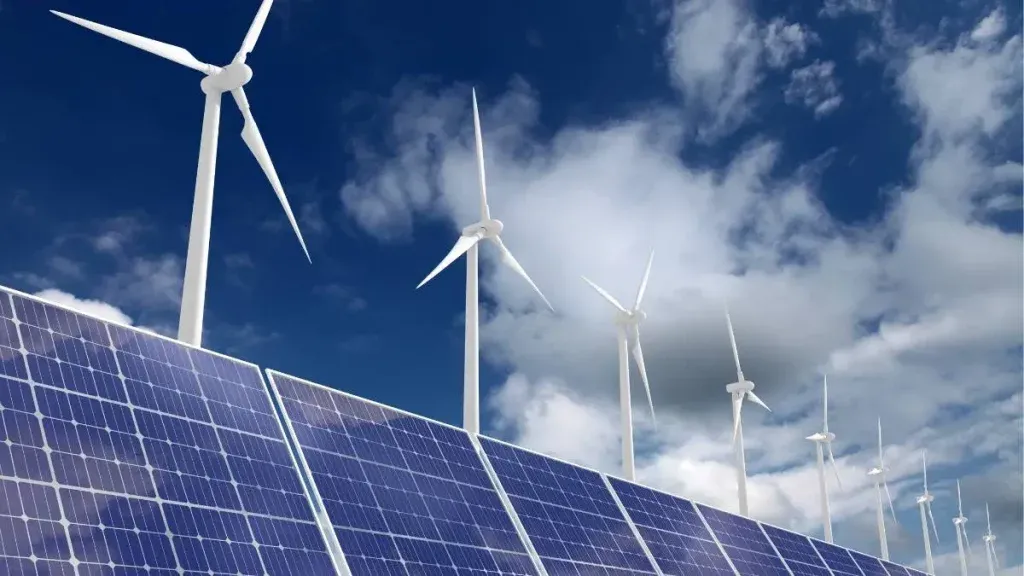
The sector is progressively moving beyond the traditional model based on centralized assets, thanks to technological advances and growing customer awareness. The transition to distributed energy resources — such as photovoltaic panels and storage systems — paves the way for more dynamic energy ecosystems, where intelligent customer-owned assets become an integral part of production, cost optimization and comfort improvement logic.
AI in Utilities supports operators in their sustainability and efficiency goals, supporting optimized resource management, energy demand forecasting, infrastructure asset monitoring and maintenance interventions.
Intelligent management of energy resources {#energy-management}
Artificial intelligence enables advanced and dynamic control of energy resources, promoting more effective integration of renewable sources into the system and ensuring balance between production and consumption. Thanks to advanced algorithms, it is possible to prevent overload situations and increase the reliability of networks. This is particularly critical in a context where production from renewable sources is intrinsically variable and dependent on weather conditions.
Advanced energy demand forecasting {#demand-forecasting}
AI is able to analyze a huge amount of data in real time — weather, consumption history, usage behaviors — to accurately estimate peaks and dips in energy demand. This allows operators to optimize the entire production and distribution cycle, with important benefits in terms of efficiency and waste reduction. Forecast accuracy improves progressively with the accumulation of historical data, creating a virtuous cycle of continuous optimization.
Asset monitoring {#asset-monitoring}
One of the most promising uses of AI in Utilities is the continuous monitoring of infrastructure. Intelligent systems can detect early signs of wear or anomalies in machinery, allowing targeted interventions to be scheduled before failures occur. This approach minimizes machine downtime, contains operating costs and helps maintain high safety standards — a critical aspect for energy infrastructure serving millions of users.
AI Utilities Agents: application areas {#ai-agents}

In the world of Utilities — energy, water, gas, networks and related services — operational efficiency, intelligent data management and fluid interaction with the customer are fundamental elements. The new generation of AI Utilities Agents is establishing itself as a strategic ally: autonomous systems, capable of interacting, learning and acting in real time, with significant impacts on every area of the business. They are no longer simple chatbots, but intelligent and proactive entities that can improve every phase of the customer journey, simplify internal processes and strengthen operational resilience.
Customer care {#customer-care}
AI agents revolutionize customer care by making it available 24/7, multi-channel and above all proactive. They don't just answer questions, but anticipate needs by analyzing behaviors and consumption data. They can independently report abnormal consumption, propose a more suitable tariff plan or manage a service interruption by informing the customer in real time. Thanks to Natural Language Processing (NLP), the conversation takes place in natural language, with the ability to manage complex contexts, recognize emotions and adapt tone and responses. We explored the first wave of this evolution in our article on chatbots in the energy market.
Back-office automation {#back-office}
In internal operations, AI in Utilities agents take on the role of digital workers: they manage data entry, updating personal data, verifying documents and contracts, and checking meter readings. Thanks to integration with ERP systems, CRMs, and billing platforms, they can independently orchestrate internal flows, drastically reducing processing times and minimizing human error. In practice, they free human resources from repetitive and low-value activities, increasing the quality and speed of processes.
Voicebots in Utilities {#voicebot}
Voicebots are gaining ground as conversational interfaces that make the relationship between utility and customer more human and immediate. Whether it is communicating meter readings, managing complaints or activating services, the use of voice simplifies processes and increases customer satisfaction, especially among the less digitally-savvy age groups. 24/7 availability and scalability of the service also represent a significant competitive advantage over traditional channels.
Marketing AI Utilities {#marketing}
In marketing, AI allows utilities to move from massive campaigns to personalized communications, based on real user behavior and consumption data. AI systems analyze patterns, preferences, and histories to create dynamic segmentations and suggest tailored offers. The result is a more relevant customer experience, higher conversion rates and greater loyalty in the long term.
Digital Sales {#digital-sales}
Thanks to AI, digital sales become proactive. Intelligent systems identify moments of need and propose contractual upgrades, green offers or new digital services at the right time, on the right channel. Interactions are supported by virtual agents capable of guiding the customer in the purchase funnel, improving conversion rates and average contract value.
IT in Utilities {#it}
AI is also entering the IT departments of utilities, automating repetitive tasks, improving cloud infrastructure management and supporting cybersecurity. Anomaly detection solutions help prevent cyber threats, while AI Ops enables real-time monitoring of IT systems to intervene predictively, avoiding costly downtime — a critical aspect for infrastructure delivering essential services.
HR in Utilities {#hr}
In the HR world, utilities are using AI to optimize recruitment and selection, analyze employee data, and plan personalized career paths. According to IBM, 33% of AI projects in the sector are now focused on HR and talent acquisition. AI is also useful in monitoring worker well-being and promoting engagement initiatives — an increasingly relevant aspect in a sector that must attract rare digital skills.
Predictive maintenance {#predictive-maintenance}
At the heart of technical operations, AI agents become allies in predictive network and plant management. They analyze data from IoT sensors, SCADA systems and monitoring platforms to detect early warning signs of failure, suggesting interventions before they occur. They can automatically generate tickets, schedule interventions and provide real-time support to field technicians — explaining how to proceed or showing operational checklists through conversational interfaces.
Distributed energy resources {#distributed-resources}
With the increasing diffusion of distributed generation plants — photovoltaic, home storage, energy communities — the energy system is increasingly fragmented. AI agents can coordinate these assets autonomously, optimizing energy production, consumption and storage. In multi-agent system scenarios, each agent manages a single resource (e.g. a battery or a solar plant) and communicates with other agents to maintain grid balance, reduce peaks and improve overall stability.
Security and compliance {#security-compliance}
As digitalization increases, so does the risk related to cybersecurity and regulatory compliance. AI Utilities agents continuously monitor information systems, report suspicious access, detect anomalous patterns and activate automatic countermeasures. On the regulatory front, they facilitate ESG compliance, automate document management and support internal audits. Intelligent dashboards provide real-time visibility to all functions involved in corporate governance.
Training and knowledge management {#training}
AI agents are not only useful to customers, but also to employees. They can act as digital tutors capable of answering doubts, providing updated procedures, explaining regulations or accompanying new resources in business processes. Integrated with the intranet or knowledge base system, they enable continuous, dynamic and tailored learning — particularly useful in sectors with high turnover or where regulations change frequently.
Decision Intelligence {#decision-intelligence}
Thanks to the ability to process large volumes of data, AI agents can support decision makers in strategic planning, risk assessment and simulation of future scenarios — such as the impact of a new tariff, the introduction of a technology or extreme climate variations. They can even participate in meetings as information agents, summarizing documents, collecting inputs and suggesting alternatives in real time, in a transparent and explainable way.
Conclusions {#conclusions}
AI in utilities is no longer an option, but a strategic priority. Companies that combine innovation, security and governance will be able to fully reap the benefits of artificial intelligence, paving the way for a more sustainable, resilient and intelligent energy future.
The Utilities of the future will not only be more digital: they will be populated by intelligent agents, ready to collaborate with people, customers and systems to build a smarter, more sustainable energy that is closer to the real needs of users. The transition from automation to autonomy is not a leap into the unknown, but a journey that requires governance, skills and a clear vision of the value one wants to create.
For a concrete example of these results in the energy sector, read the Nuove Energie case study, where a help desk and lead generation chatbot improved user experience and conversion rates.
To find out how Crafter.ai solutions can accelerate the AI transformation of your utility, contact us at [email protected].
FAQ {#faq}
What is AI in Utilities?
AI in Utilities refers to artificial intelligence solutions applied to the Energy & Utilities sector — energy, gas, water, networks — to improve operational efficiency, optimize resource management, personalize customer service and support the energy transition towards renewable sources.
What are the main applications of AI in the energy sector?
Main applications include: energy demand forecasting, predictive asset maintenance, automated 24/7 customer care, management of distributed energy resources, back-office optimization, personalized marketing and AI-based cybersecurity systems.
How does AI support the energy transition?
AI supports the energy transition by coordinating distributed assets (photovoltaic, storage), optimizing the integration of renewable sources into the grid, balancing production and consumption in real time and enabling intelligent energy communities. Multi-agent systems are particularly effective in this context.
How widespread is AI in the Energy & Utilities sector?
According to IBM, 74% of companies in the sector have already implemented or are exploring AI solutions. 94% of CIOs in the sector intend to increase AI investments, with an average spending increase of 38.3%. The global market will exceed $58 billion by 2030.
What are the benefits of predictive maintenance with AI?
Predictive maintenance allows detecting failure signals before they occur, reducing machine downtime, containing operating costs and improving safety. AI systems analyze data from IoT sensors and SCADA to identify anomalies and plan targeted interventions at the optimal moment.
Can AI improve customer care in utilities?
Yes, significantly. AI agents make customer care available 24/7, multi-channel and proactive: they can report abnormal consumption, propose more suitable tariffs, manage service interruptions and communicate in natural language with empathy and personalization. The result is a reduction in management costs and an increase in customer satisfaction.