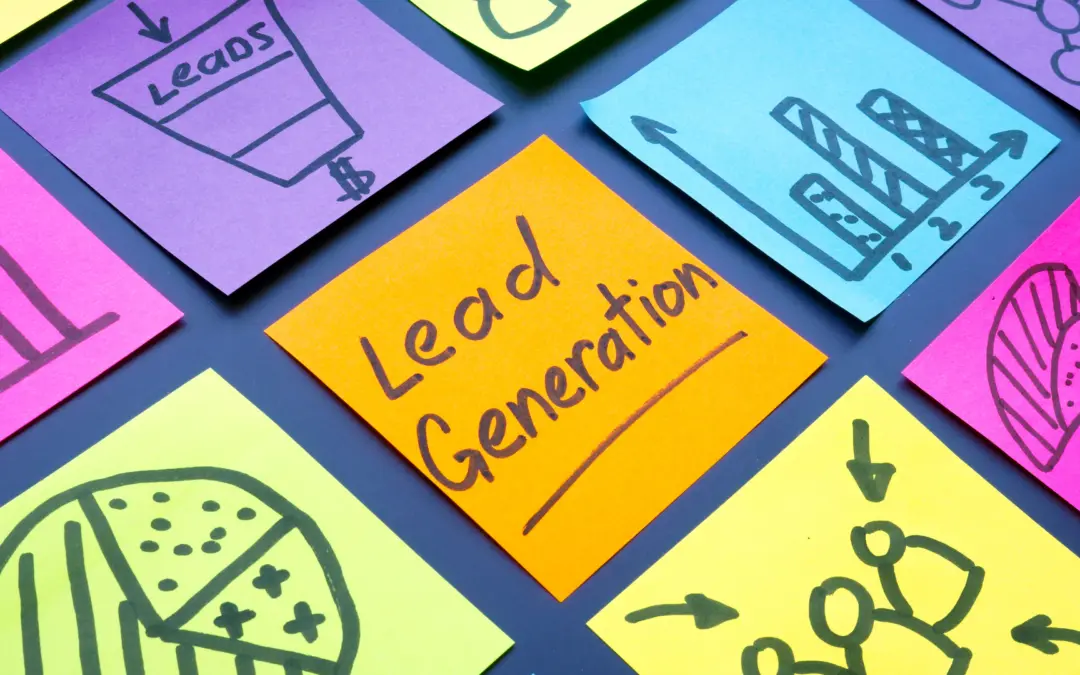
What are AI sales agents, exactly? AI Sales Agents are artificial intelligence agents that automate repetitive commercial activities — lead qualification, quote generation, appointment scheduling and follow-ups — working autonomously, 24/7, across all of a company's digital channels. Unlike traditional chatbots, they don't just answer predefined questions: they understand the context of the conversation, make decisions and take concrete actions, such as updating the CRM or booking a meeting in a sales rep's calendar.
More and more companies, from SMBs to large organizations, are evaluating these tools to extend their sales team's capacity without increasing fixed costs. In this guide we look at what AI sales agents are, how they work from a technology standpoint, how they differ from chatbots and classic automation, and what independent research says about the results they deliver.
Table of Contents
- What Are AI Sales Agents
- How AI Sales Agents Work
- AI Sales Agents vs Chatbots vs Traditional Automation
- A Concrete Example: Lead Qualification Step by Step
- What the Research Says
- How to Adopt AI Sales Agents in Your Company
- Conclusions
- FAQ
What Are AI Sales Agents
An AI Sales Agent is an artificial intelligence system designed to carry out part of the sales process autonomously. The word "agent" is not accidental: it describes software that doesn't wait for step-by-step instructions but pursues a goal — for example "qualify this lead" or "re-engage this dormant customer" — deciding on its own which steps are needed to get there.
In day-to-day commercial work, an AI sales agent takes over the activities that absorb most of a salesperson's time without actually requiring their relationship skills. Think of the first reply to a website enquiry that arrives at 11 pm, the recurring questions about pricing and product features, the collection of the information needed to understand whether a prospect is in target, the delivery of the right sales material at the right moment, and the follow-up reminders that too often get forgotten. The human salesperson steps in when the negotiation heats up: the agent hands over the conversation with the full history and context already in place.
This is a substantial difference compared with traditional sales automation, built on rigid email sequences and static forms. As we explored in our guide on the difference between chatbots and AI agents, an agent doesn't follow a script: it writes one as it goes, adapting to the other person's answers.
How AI Sales Agents Work
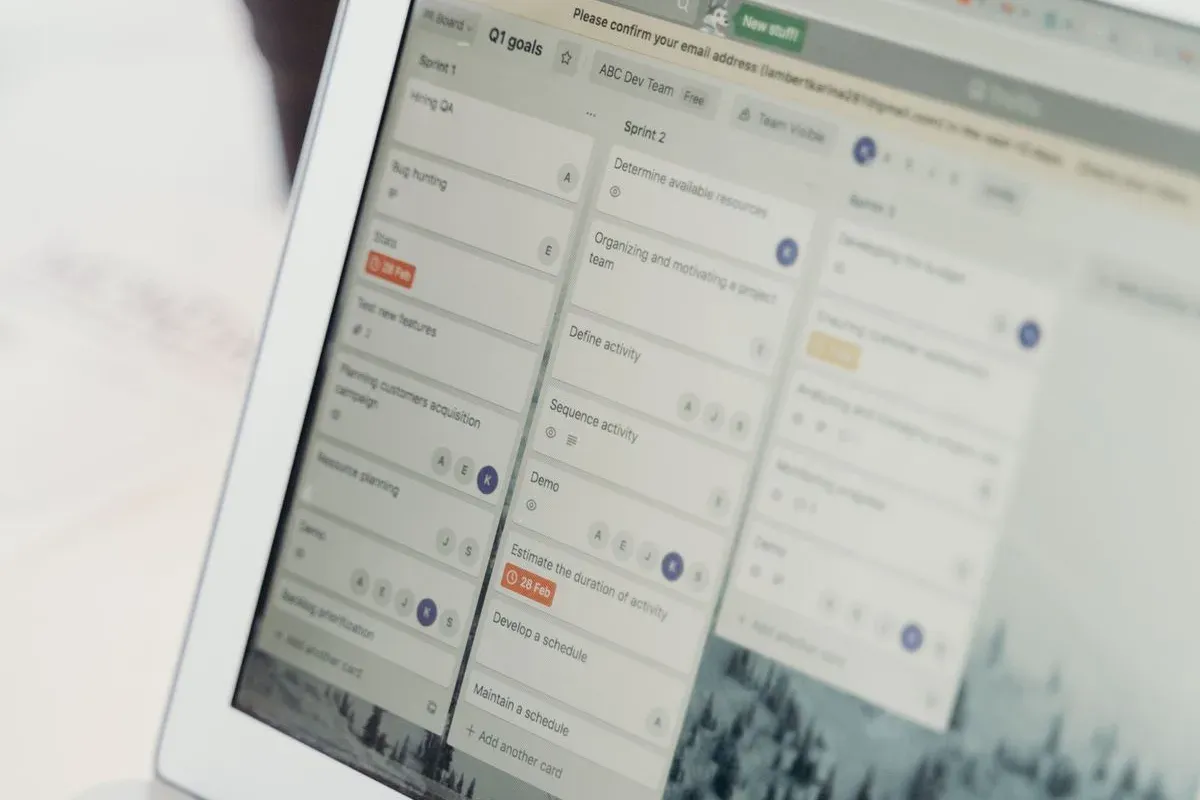
From a technology standpoint, a modern AI sales agent combines four components working together.
- Generative language models (LLMs): they understand the prospect's natural language and generate fluent, contextual replies, in multiple languages, with no predefined conversation paths.
- RAG (Retrieval-Augmented Generation): it anchors the agent's answers exclusively to the company knowledge base — price lists, catalogs, product sheets, commercial terms — drastically reducing the risk of made-up answers.
- API integrations: they connect the agent to CRMs (Salesforce, HubSpot, Microsoft Dynamics), ERPs, calendars and marketing automation tools, so every interaction automatically updates company systems.
- Handover module: it transfers the conversation to a human salesperson at decisive moments, preserving the full context of the negotiation.
The operational flow is simpler than the technology suggests. The agent perceives an input — a chat message, a WhatsApp enquiry, an email reply — and interprets it: it understands the intent, recognizes the relevant entities (product, quantity, urgency) and assesses where the prospect sits in the funnel. It then retrieves the relevant information from the knowledge base and decides the next action: answer, ask a qualification question, generate a quote, propose a meeting or hand over to a rep. Finally, it logs everything in the CRM, so the sales team finds the lead profile already enriched and up to date.
This cycle — perceive, reason, act, record — repeats at every exchange, on every channel, across an unlimited number of simultaneous conversations. This is where the scale advantage comes from: a team of five salespeople remains a team of five, but with a first-contact and qualification capacity comparable to a much larger team.
AI Sales Agents vs Chatbots vs Traditional Automation
The terminology confusion is understandable, because chatbots, marketing automation and AI agents often coexist in the same company. The differences, however, are clear-cut.
| Feature | Classic automation | Traditional chatbot | AI Sales Agent |
|---|---|---|---|
| Logic | Predefined sequences (if/then) | Rigid conversation paths | Goals and autonomous decisions |
| Language understanding | None | Keywords and buttons | Natural language, multilingual |
| Source of answers | Static templates | Predefined FAQs | Company knowledge base via RAG |
| Actions on systems | Simple triggers | Limited | CRM, calendar, quotes, ERP |
| Handling the unexpected | Gets stuck | Starts over | Adapts or hands over to a human |
Chatbots remain a great tool for FAQs and simpler use cases; classic automation still works well for scheduled email flows. An AI sales agent becomes the right choice when the commercial conversation requires context understanding, decisions and actions on company systems. We dedicated a full deep dive to this comparison: AI Sales Agent vs Sales Chatbot: Which One to Choose.
A Concrete Example: Lead Qualification Step by Step
To really understand how AI sales agents work, let's follow a real lead along its journey.
A purchasing manager visits a B2B company's website at 10:40 pm and opens the chat asking whether the product is also available with a support contract. The agent answers the question on the merits — drawing on the knowledge base — and, instead of stopping there, asks a qualification question: what usage volume is it for? The prospect answers, and within four or five exchanges the agent has collected industry, company size, specific need and purchasing timeframe. At that point it determines the lead is in target, directly proposes two slots for a call with a sales rep and books the meeting in the calendar. Everything that emerged — profile, interest, urgency, transcript — is already in the CRM when the salesperson sits down at their desk the next morning.
Without the agent, that late-evening enquiry would have become an email in the contact form, handled — at best — the following day, with at least a twelve-hour delay and no qualification. The difference between the two scenarios is exactly the value these tools bring to conversational lead generation: response speed, systematic qualification and no opportunity lost outside business hours.
What the Research Says
The results are not just anecdotal. According to McKinsey, companies that invest in AI for marketing and sales see a revenue uplift of 3 to 15 percent and a sales ROI uplift of 10 to 20 percent. Duke University's CMO Survey 2026 also reports that AI use improved sales productivity by an average of 14% across surveyed companies.
Real-world cases confirm the trend. Gea, the AI Sales Agent built with Crafter.ai for the energy company Sorgenia, autonomously handles 98% of prospective customers' requests: pricing questions, service information, plan selection and CRM-integrated quotes (full case study here). To turn these numbers into an economic estimate for your company, we dedicated a guide to the ROI of AI sales agents in B2B sales. Numbers like these don't mean AI replaces salespeople: they mean salespeople stop doing repetitive work and get back to what they are best at — building relationships and closing deals.
How to Adopt AI Sales Agents in Your Company
Adoption is much faster today than most people expect, especially thanks to no-code platforms. There are four essential steps:
- Define the scope: pick one or two high-volume, low-risk use cases, such as inbound lead qualification or recurring pre-sales questions.
- Prepare the knowledge base: up-to-date price lists, catalogs and commercial terms are the fuel of the RAG system.
- Connect the CRM: integration with Salesforce, HubSpot or Microsoft Dynamics ensures every conversation enriches your sales data instead of scattering it.
- Define handover rules: establish when and how the agent passes the conversation to a human rep, so you never lose control of important negotiations.
With a platform like Crafter.ai, which provides a no-code Conversation Designer, a sales agent can be configured and activated in 24 hours, with no dedicated technical resources. For a complete overview of the features built for sales teams, the Sales AI Agents page covers applications, supported channels and use cases; for the bigger picture on agents in the enterprise, see our enterprise AI agents guide.
Conclusions
To the question "what are AI sales agents?" we can now give a precise answer: they are digital co-workers of the sales team, able to qualify leads, generate quotes, book appointments and manage follow-ups autonomously, on every channel and at any hour. They work by combining generative AI, a RAG system, integrations with company systems and human handover — and independent research from McKinsey and Duke University shows their impact on revenue and sales productivity is now measurable.
The best way to evaluate them is not theoretical: pick a concrete use case, such as lead qualification, and measure the results on your own funnel. For a more hands-on perspective, read how to maximize sales with AI sales assistants.
FAQ About AI Sales Agents
What are AI sales agents in a nutshell?
They are artificial intelligence agents that automate repetitive sales activities — lead qualification, quotes, appointments, follow-ups — working autonomously 24/7 across a company's digital channels.
What is the difference between an AI sales agent and a chatbot?
A chatbot follows predefined conversation paths and answers recurring questions. An AI sales agent understands natural language, makes decisions autonomously and takes concrete actions on company systems, such as updating the CRM or booking an appointment.
Do AI sales agents replace salespeople?
No. They handle repetitive, low-value activities, freeing salespeople for the stages where human skill is decisive: the relationship, the negotiation and the close. The handover module guarantees context transfer at key moments.
What results can you expect?
Independent research points to a 3-15% revenue uplift and a 10-20% higher sales ROI (McKinsey), with sales productivity improved by an average of 14% (CMO Survey 2026, Duke University). Actual results depend on the use case and the quality of your company data.
How long does it take to activate an AI sales agent?
With a no-code platform like Crafter.ai, a sales agent can be configured, connected to the CRM and activated in 24 hours, with no specialized technical resources required.
Related links: